
This event has happened.
You’re late, this event has expired already.
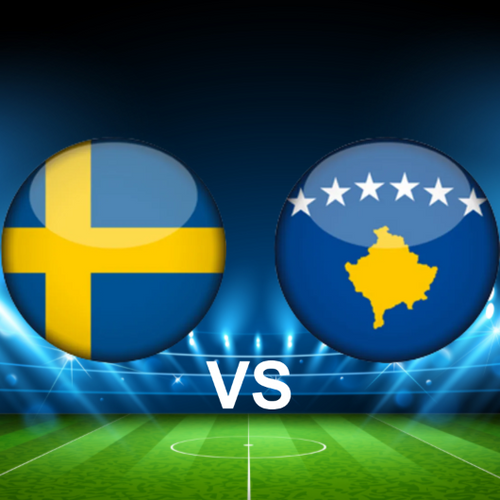
Sweden vs Kosovo Tickets
About Sweden vs Kosovo
The 2026 FIFA World Cup qualifying campaign has entered an exciting phase with the match between Sweden and Kosovo set for October 13, 2025, at Ullevi Stadium in Gothenburg. This fixture promises to be more than just a routine game — it represents an intersection of two very different styles of play from two very different national teams: one with a long football pedigree and the other still in the early stages of its international existence.
In Sweden, football (fotboll) is the country's most popular sport. Since the Swedish national team captured a bronze medal at the 1924 Summer Olympics in Paris, Sweden has been a consistent presence on the international stage and a genuine contender in major tournaments. Kosovo, by contrast, is a nascent national side that has rapidly developed since joining UEFA competitions.
This match brings together history and momentum: an established Swedish program against a rising Kosovar team seeking to confirm its place in European football.
Sweden vs Kosovo Rivalry History
The rivalry between Kosovo and Sweden is relatively new, with only a handful of meetings between 2018 and 2024. Across those encounters, Sweden held the edge with three wins to Kosovo's one. Yet the stand-out result that reshaped perceptions came on October 12, 2024, when Kosovo beat Sweden 2–0 — a result that announced Kosovo's arrival as a competitive force.
On that day Kosovo deployed a 4-3-3 while Sweden lined up in their familiar 4-2-3-1. Kosovo's tactical discipline, pressing and timely counterattacks proved decisive, and the match served as a clear marker of how quickly Kosovar football has progressed.
Memorable Matches
Kosovo's 2–0 victory over Sweden on October 12, 2024, is the defining match in the short history between these sides. Kosovo used a game plan that emphasized defensive organisation and quick transitions. Two key tactical moves were instrumental:
Bersant Celina played deeper out of possession to intercept midfield passes and initiate transitions. In the 23rd minute he won the ball and triggered a fast 2‑1‑2 counter; Agron Shaqiri finished it with a low, precise drive into the bottom-right corner to make it 1–0.
Ardin Dreshaj was instructed to make crossing runs and stretch Sweden's defence. In the 67th minute Dreshaj's run to the byline created the width for a lofted assist; Celina connected to head the ball past Sweden goalkeeper Robin Olsen for the second goal.
Those moments captured Kosovo's tactical maturity on the night and underlined the unpredictability that now characterises fixtures between the two nations.
Players who represented both clubs
Alexander Isak: Amid modern football's fluid national identities and recent FIFA reforms that expanded switching options for players, Alexander Isak is frequently discussed in conversations about dual-nationality links between Sweden and Kosovo. Isak's career and background are often cited as part of the broader narrative about heritage, representation and opportunity in international football.
(Notes in the source material allude to player movement and identity as an ongoing theme shaping contests between Sweden and Kosovo.)
Witness this epic rivalry live!
The Ullevi Stadium — a modern coliseum inaugurated in 1995 — offers a capacity of approximately 43,000 spectators and stands among Scandinavia's premier football venues. Its design, roofing and atmosphere make it a compelling stage for high-profile matches such as Sweden vs Kosovo.
Atmospheric expectations:
- Fan choreography: Swedish supporters are known for synchronized chants and large displays; they traditionally occupy the south stand. The north stand will likely house a passionate Kosovar contingent with flags and music.
- Acoustic resonance: Ullevi's design amplifies crowd noise, creating an intense environment that can add psychological pressure on both teams.
- Cultural significance: For Kosovo, playing a high-stakes qualifier in a near-capacity Nordic arena is a major opportunity to validate the nation's progress in front of a large international crowd.
Together, stadium design, spectator passion and tactical necessity ensure this match will be more than a sporting contest — it will be a cultural event.
In planning your visit, note that Ullevi occupies a prominent riverside location in Gothenburg where the Göta River widens toward the sea. Since its inauguration in 1995, Ullevi has hosted major events and remains the focal point for high-profile matchday experiences in the city. The 2018 LED lighting upgrade and a history of memorable fixtures have reinforced its reputation as Gothenburg's premier venue for sport and entertainment.
100% Authentic Tickets with Buyer Protection
Ticombo's platform and the ticket marketplace described in the source material emphasise secure transactions and buyer protection. Key elements highlighted include: escrow arrangements (tickets held until the buyer confirms receipt and validity), multilingual customer support, and platform features designed to reduce scalping and promote fair pricing.
The marketplace uses industry-standard encryption for data in transit plus real-time fraud monitoring tools (including analysis of purchasing patterns, IP addresses and device fingerprints) to detect and prevent suspicious activity. These measures are intended to keep financial and personal information confidential and give buyers confidence when purchasing tickets.
Sweden Home Fixtures [Automated By Code]
25/09/2026: Sweden vs Romania Men's Nations League Tickets
28/09/2026: Sweden vs Poland Men's Nations League Tickets
02/10/2026: Bosnia Herzegovina vs Sweden Men's Nations League Tickets
17/11/2026: Poland vs Sweden Men's Nations League Tickets
05/10/2026: Romania vs Sweden Men's Nations League Tickets
14/11/2026: Sweden vs Bosnia Herzegovina Men's Nations League Tickets
Kosovo Home Fixtures [Automated By Code]
24/09/2026: Kosovo vs Ireland Men's Nations League Tickets
27/09/2026: Austria vs Kosovo Men's Nations League Tickets
01/10/2026: Israel vs Kosovo Men's Nations League Tickets
04/10/2026: Kosovo vs Austria Men's Nations League Tickets
14/11/2026: Kosovo vs Israel Men's Nations League Tickets
17/11/2026: Ireland vs Kosovo Men's Nations League Tickets
Ullevi Information
Ullevi is one of Scandinavia's most iconic football venues and the setting for this key World Cup qualifying fixture. Located in central Gothenburg, the stadium combines capacity, modern facilities and excellent sightlines, making it ideal for supporters travelling to the match.
Since opening in 1995 Ullevi has hosted domestic and international football, European cup fixtures and major entertainment events. Its central location makes it easy to combine matchday plans with local hotels, restaurants and Gothenburg's wider attractions.
Ullevi Seating Guide
Family Zone (Section K): Designed to be kid-friendly with safety barriers and interactive screens; the source material lists tickets for this section at approximately €45 and mentions access to a dedicated kids' lounge.
Premium/Executive Boxes (Sections L–M): Targeted at corporate clients and supporters seeking VIP hospitality, private catering and premium seating. Prices cited in the source material range from about €250 to €400.
The marketplace discussed in the source content also includes user-rating features for sellers, price alerts and escrow protection until buyers confirm ticket receipt.
How to get to Ullevi
Ullevi's central location in Gothenburg makes it accessible from the city centre, nearby hotels and transport hubs. Visitors commonly travel via local trams and buses, and Gothenburg's airport and train connections provide straightforward access for international travellers planning a matchday weekend.
Why Buy Sweden vs Kosovo Tickets on Ticombo
The ticket platform described in the source material focuses on a fan-to-fan marketplace model with verification, buyer protection and tools to help users find seats at fair market prices. Features emphasised include ticket authentication, secure payments, price alerts and group/age discounts.
Authentic Tickets Guaranteed
Ticombo (as described) guarantees ticket authenticity through multi-step verification and QR-code validation; the source material also mentioned blockchain recording as part of the provenance tools used to protect buyers.
Secure Transactions
Secure payment processing and industry-standard encryption protect personal and financial data. Real-time fraud monitoring algorithms and transaction review systems add further protection for buyers and sellers.
Fast Delivery Options
The platform offers two main delivery methods:
- E-tickets: Digital tickets sent by email with a QR code and a stadium diagram to facilitate gate entry and seating.
- Mailed tickets: Physical tickets available for those who prefer a tangible keepsake.
The source material also notes that early purchases (within the first two weeks of sale) historically tend to be about 12–15% cheaper than last-minute purchases in the week before a match, though market dynamics such as team performance, weather, promotional deals and overall demand can affect pricing.
When to buy Sweden vs Kosovo tickets?
Early purchases can secure preferred seating and more competitive prices; monitoring availability and setting price alerts through the ticket platform provides an advantage. The source material recommends registering for ticket notifications and using alerts to catch price drops or newly listed prime seats.
Latest Sweden vs Kosovo News
Recent developments referenced in the source content include Kosovo's breakthrough 2–0 win over Sweden in October 2024 and ongoing preparations by both national teams as they build toward 2026 World Cup qualification. Media coverage has emphasised tactical matchups and potential player selections that could influence the Ullevi fixture.
Frequently Asked Questions
How to purchase Sweden vs Kosovo tickets?
Visit Ticombo's football tickets page, select the Sweden vs Kosovo fixture, choose your seating category and complete the secure checkout. Account registration and customer support are available to assist with the process.
How much are Sweden vs Kosovo tickets?
According to the source material, prices start at around €45 for family-zone seats and can go up to approximately €400 for premium boxes, reflecting Ullevi's tiered seating and hospitality options.
Where do Sweden vs Kosovo matches take place?
This World Cup qualifying fixture is scheduled for Ullevi Stadium in Gothenburg, Sweden. Future fixtures between the nations may take place at different venues depending on scheduling and hosting arrangements.
Are Sweden vs Kosovo tickets transferable?
The platform described holds tickets in escrow until buyers confirm receipt and validity, and it provides clear seller information and support. Transferability may depend on the specific ticket terms for each listing; buyer protection measures and platform support are in place to handle transfers and disputes when necessary.
Seal of Excellence by EU Commission
Ticombo GmbH (parent company) is recognized under Horizon 2020, the EU's research and innovation funding program for its proposal No. 782393.
As seen on the news