
This event has happened.
You’re late, this event has expired already.
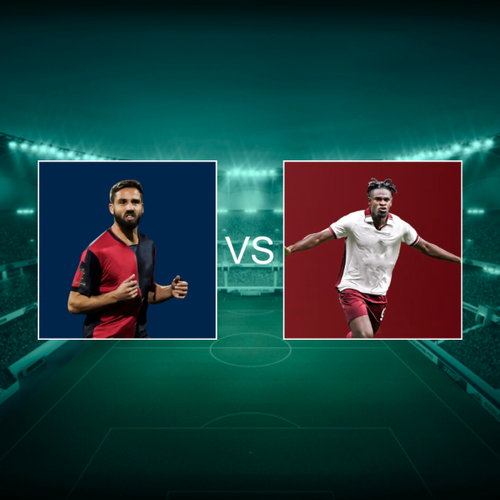
Cagliari Calcio vs Torino FC Tickets
About Cagliari Calcio vs Torino FC
The upcoming Serie A match between Cagliari Calcio and Torino FC transcends the usual parameters of league competition. It embodies a cultural conversation between two distinct identities of Italian football. On one side, you have the sun‑kissed island of Sardinia in the south of Italy. Cagliari represents a vibrant part of the country's proud footballing story, one that is told with passion and expression. The club's supporters are part of a devoted dream that entwines local pride and Serie A aspirations. Meanwhile, arriving from a distant part of Italy's historical heartland are Torino FC — a club that has a very similar kind of story to tell. Torino's tale is principally a narrative of achievement, retrenchment, and "what if" moments across a Serie A timeline. Quite simply, this is an encounter between two characters within the grand storybook of Italian football that will secure its place in the national conversation by season's end.
Stationed in the industrial city of Turin, Torino FC epitomizes efficiency and tactical discipline. Against the capital's own giants, Roma, it eked out a 2–1 victory, thanks in large part to a decisive strike from Giovanni Simeone. But the performance said it all — it was gritty, full-hearted, and possessed an attacking panache that has Torino being seen as Serie A's darling right now, considering that kind of performance was displayed by a club that, for quite some time, had been mostly known for playing the kind of soccer that is usually described by commentators as "blood and thunder."
Meanwhile, Cagliari has been turning heads north of the Italian peninsula with some fine displays of its own. One of those was the most recent encounter with Torino in 2019, in which the Sardinians earned a 1–0 win. Despite the match being played in the new Sardegna Arena, though, they were able to display such authority over a Serie A opponent.
Cagliari Calcio vs Torino FC Rivalry History
The match represents more than a fixture in the calendar; it is a cultural conversation between Sardinia's local pride and Turin's historical efficiency. Each meeting carries narrative weight — the biographies of clubs, players, and supporters fold into a wider national story about identity and aspiration.
Memorable Matches
The 2019 encounter in the Sardegna Arena stands out: a narrow 1–0 victory for the Sardinians that underscored Cagliari's capacity to dominate at home even in a newly opened stadium. That match remains a touchstone for supporters who recall the authority and atmosphere generated on the island.
Players who represented both clubs
Andrea Belotti, who has been a scoring machine for Cagliari, was a Torino player for a season. That gives this matchup a little extra juice. Diego Lopez was once part of the Torino fold too. Now, he's tearing it up for Cagliari. Both guys embody the murky side of this footballing war. So, when it comes to the matter of athletes who've crossed the divide, as much as it is a rather banal matter, it too deepens the narrative in a way that makes this rivalry seem all the more fraught with tension. These dudes give us a human story to complement the on-field drama, the on-field drama these two teams insist on providing every time they tangle.
Witness this epic rivalry live!
When these two teams play in Cagliari, you, the attendee, are standing in a cathedral. The cathedral is filled with football fans of great devotion. While you stand there, what you are watching and listening to in effect is essentially a kind of very old-timey theater where both the actors and the audience are working towards some very intense payoff.
Premium hospitality suites deliver both opulent amenities and private vantage balconies, offering corporate guests a chance to enjoy the event and — no less importantly — their power of assembly, too, in a most exclusive environment. The stadium's teasers promise VIP levels of service, the likes of which one might experience in Las Vegas — a totally uncertain bet, mostly because "what happens here stays here," rumored to have formerly been reserved for "respectable bogus ticket buyers." Should you arrive with a fake, you might still manage to convince a security guard that partial access is almost as good as the real thing, especially if you've shelled out an obscene amount for whatever you've got in your hot little hand.
100% Authentic Tickets with Buyer Protection
An extensive buyer protection plan safeguards every transaction. This plan places the seller in a position that compels them to fulfill the terms of the purchase agreement, ensuring that the buyer receives the item they paid for. If the seller cannot or will not ensure that the buyer's purchase is fulfilled, then the buyer can initiate a process that results in them getting their money back. This plan really works quite well and mostly in favor of the buyer. It really obviates much of the risks inherent in making purchases in the manner we do. Still, there's no getting around the fact that there's something a touch halfway-house between buying something from eBay and buying something from Pirates (or some other secondary seller) at a local flea market.
At first, the seller demonstrates proof of purchase, which is then compared with the club's distribution ledger. After this, the platform's proprietary algorithm reviews the integrity of the various features used to secure the tickets, such as barcodes and QR codes. Then, and only then, is the ticket published for sale. And since the platform can directly trace the ticket to the club's ledger, the direct use of the platform to invalidate tickets is simply no longer an option. Even if you have an in with the club, it's still a poor choice to make, both from a standpoint of integrity and of pure business sense, for the simple reason that the platform can detect it.
Sardegna Arena Information
Going to the Sardegna Arena offers a chance not just to see history unfold but also to bask in the sounds and sights composed by the fans: the chants, the tifos, the stadium roar, and everything else that factors into the art of match-going.
Sardegna Arena Seating Guide
How expensive are the tickets? That depends quite a bit on where your seat is. Lower-tier, center sections go for between $45 and $85, while tickets for the upper-tier sections range from $30 to $55. And if you spring for premium hospitality packages, you'll be paying upwards of $150.
How to get to Sardegna Arena
When the ticket is processed, it is sent to you through your chosen means of delivery — digital, standard postal, or express courier — and is accompanied by a confirmation email. The email contains not only the basic information necessary for you to enter the event but also any and all other essential details.
Why Buy Cagliari Calcio vs Torino FC Tickets on Ticombo
Seats are available now for Cagliari's home matches. Why wait?
Authentic Tickets Guaranteed
At first, the seller demonstrates proof of purchase, which is then compared with the club's distribution ledger. After this, the platform's proprietary algorithm reviews the integrity of the various features used to secure the tickets, such as barcodes and QR codes. Then, and only then, is the ticket published for sale. And since the platform can directly trace the ticket to the club's ledger, the direct use of the platform to invalidate tickets is simply no longer an option.
Secure Transactions
The platform employs end-to-end encryption protocols that comply with the highest banking standards, among them Secure Sockets Layer (SSL), Transport Layer Security (TLS), and the Payment Card Industry Data Security Standard (PCI DSS). And although it's now commonplace to refer to information as being encrypted when in transit, few systems — particularly at the level of public use — are as forthright with their users about both the manner and the measure by which they operate.
Fast Delivery Options
So, in how many ways can you receive a ticket once you've ordered one? Technically, three ways, though the electronic delivery setup offers two kinds of digital formats. When the ticket is processed, it is sent to you through your chosen means of delivery — digital, standard postal, or express courier — and is accompanied by a confirmation email.
When to buy Cagliari Calcio vs Torino FC tickets?
On the other hand, waiting until the secondary market feels the heat of demand can result in ticket prices going through the roof. Fan enthusiasm pushes prices up, especially if one or both of the teams involved are on a hot streak.
A couple of lightning-fast back‑and‑forth counterattacks that bring the game to a boil can get fans worked up, especially if they're wearing the colors of a winning team. A ticket for a game that's a must‑see event in your eyes is a good investment of time and money, even more so when you play the variables and avoid the same market paying double to sit on the same bleacher section and watch the same game you will. If you're going to a game, you'll want tickets. Stand in line, wait your turn, and purchase without crashing Ticombo's platform or ruining your family's financial stability.
Latest Cagliari Calcio vs Torino FC News
Stationed in the industrial city of Turin, Torino FC epitomizes efficiency and tactical discipline. Against the capital's own giants, Roma, it eked out a 2–1 victory, thanks in large part to a decisive strike from Giovanni Simeone. But the performance said it all — it was gritty, full-hearted, and possessed an attacking panache that has Torino being seen as Serie A's darling right now.
Meanwhile, Cagliari has been turning heads north of the Italian peninsula with some fine displays of its own. One of those was the most recent encounter with Torino in 2019, in which the Sardinians earned a 1–0 win.
Frequently Asked Questions
How to purchase Cagliari Calcio vs Torino FC tickets?
When the ticket is processed, it is sent to you through your chosen means of delivery — digital, standard postal, or express courier — and is accompanied by a confirmation email. The email contains not only the basic information necessary for you to enter the event but also any and all other essential details.
How much are Cagliari Calcio vs Torino FC tickets?
Lower-tier, center sections go for between $45 and $85, while tickets for the upper-tier sections range from $30 to $55. Premium hospitality packages cost upwards of $150.
Where do Cagliari Calcio vs Torino FC matches take place?
One of those was the most recent encounter with Torino in 2019, in which the Sardinians earned a 1–0 win. Despite the match being played in the new Sardegna Arena, though, they were able to display such authority over a Serie A opponent.
Are Cagliari Calcio vs Torino FC tickets transferable?
This plan places the seller in a position that compels them to fulfill the terms of the purchase agreement, ensuring that the buyer receives the item they paid for. If the seller cannot or will not ensure that the buyer's purchase is fulfilled, then the buyer can initiate a process that results in them getting their money back.
Seal of Excellence by EU Commission
Ticombo GmbH (parent company) is recognized under Horizon 2020, the EU's research and innovation funding program for its proposal No. 782393.

As seen on the news