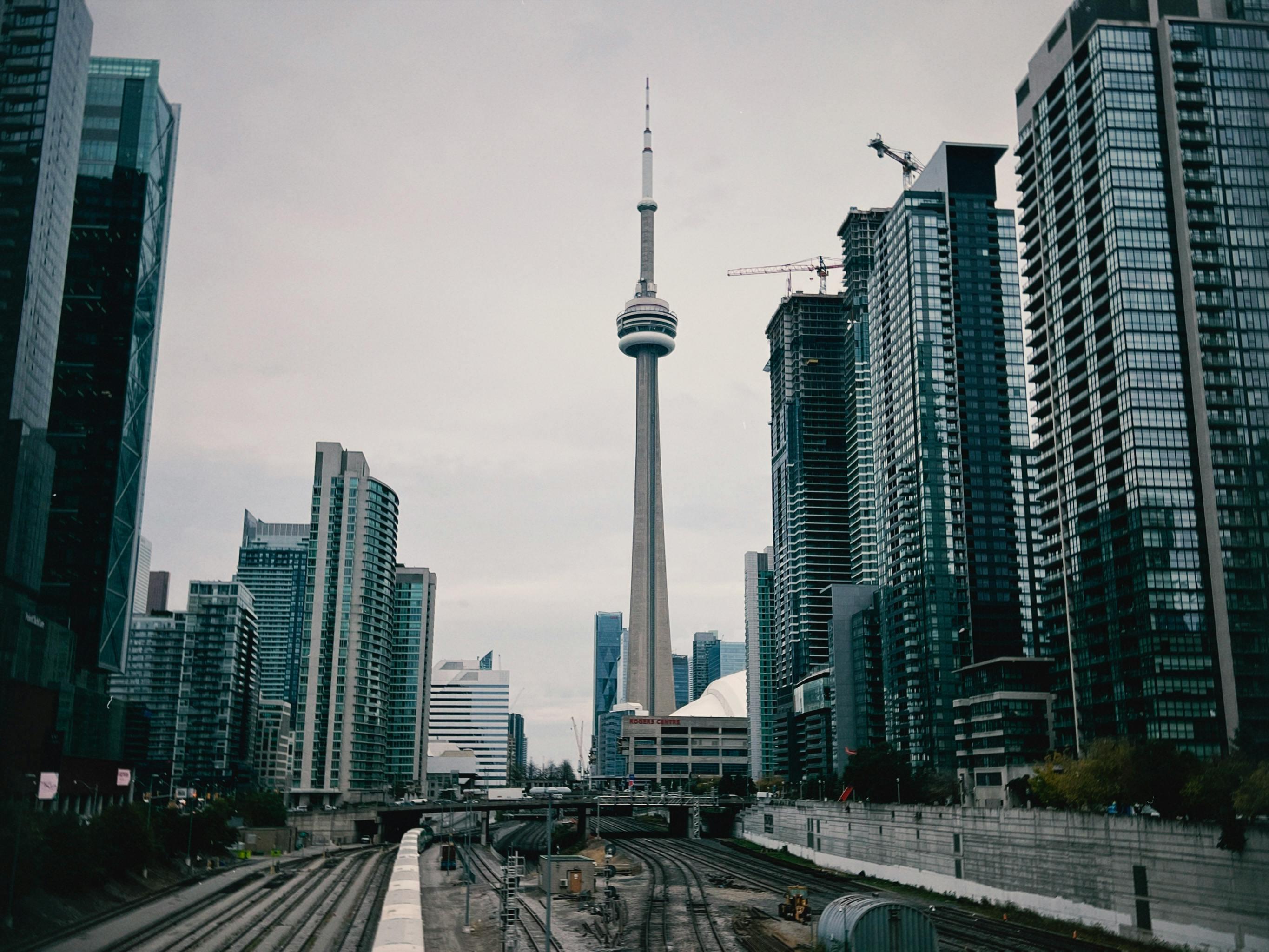
Toronto is one of two Canadian cities staging matches at next summer's tournament, and the smaller of the two stadium footprints carries an outsized share of the country's footballing identity.
The 2026 World Cup kicks off on June 11, and Toronto's slate of six matches — including Canada's home opener — turns the lakeshore into the spiritual center of Canadian football for a month.
The ultimate fan guide to Toronto for World Cup 2026 is built for fans who want to do the trip properly: a real seat at a real match, the right neighborhood, the right transit pass, and an honest read on what BMO Field will and will not feel like. Start at the Toronto World Cup 2026 host city page and work outward from there.
Why Toronto Matters in the 2026 Schedule
Toronto hosts six matches at the 2026 tournament, including the opener for the Canadian national team — the first time Canada has played a senior men's World Cup match on home soil.
Five group-stage fixtures and one Round of 32 match are scheduled at the venue, spread across June and into early July. That is a meaningful chunk for a city that has never hosted a senior World Cup before.
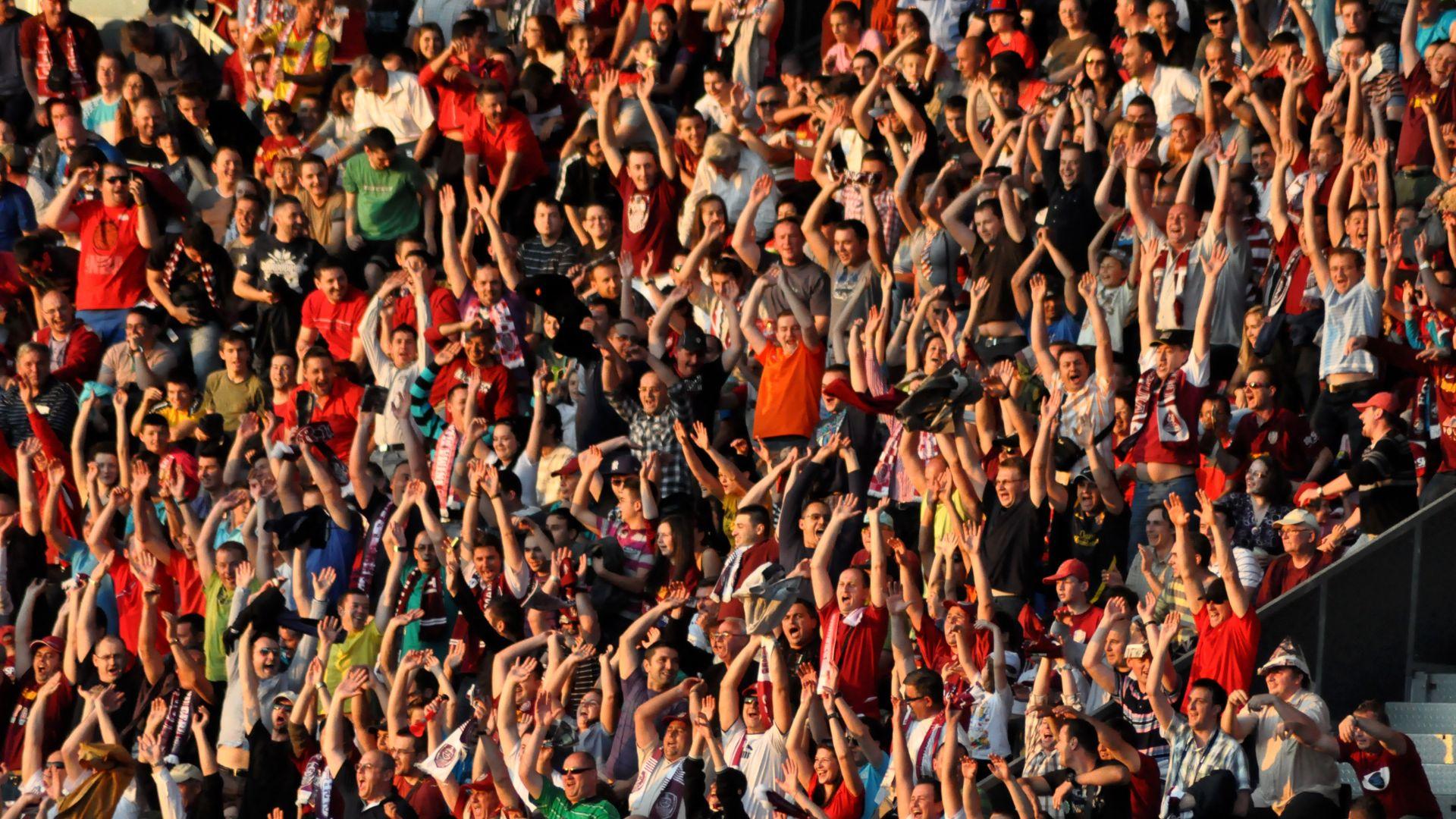
The cultural weight is the part visitors underestimate. Toronto is one of the most diverse cities on the planet — more than half of residents were born outside Canada — which means almost every nation in the tournament has a real, organized supporters' community somewhere in the city.
Walk into a Portuguese coffee shop on Dundas West during a Portugal match. Find the Italian crowd in Corso Italia. The fan culture here is not manufactured for the tournament; it predates it by decades.
Inside the Stadium
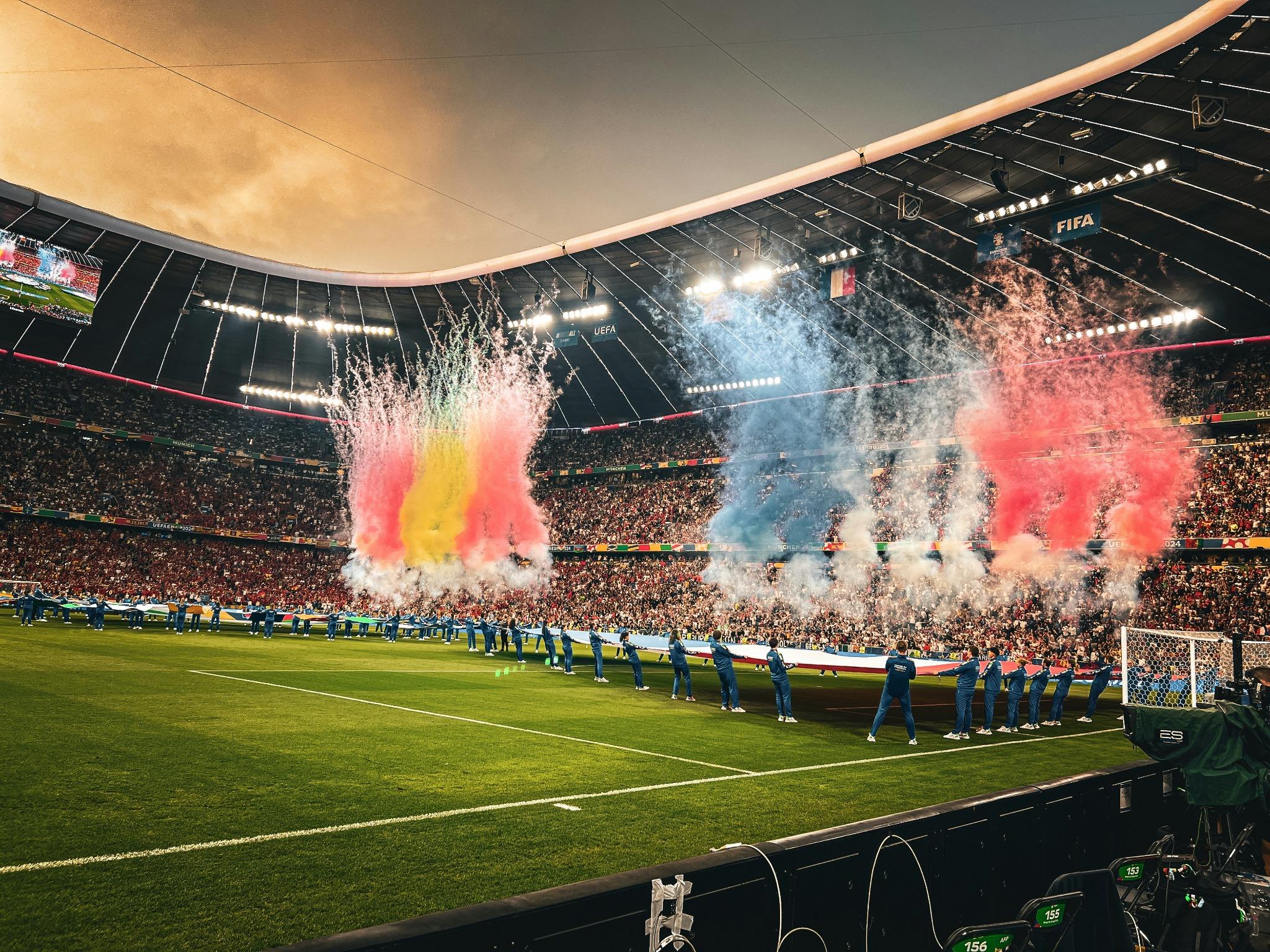
BMO Field sits on the Exhibition Place grounds along Lake Ontario, a short streetcar ride west of downtown. It opened in 2007 as Canada's first purpose-built soccer-specific stadium and is the regular home of Toronto FC and the Canadian men's and women's national teams.
For 2026, the venue is undergoing a temporary expansion that lifts capacity from roughly 30,000 to around 45,000 to meet FIFA's requirements — a smaller bowl than the megastadiums in the US slate, which is part of the appeal.
The stadium is open-air, with the south stand exposed to wind off the lake. June and early July in Toronto are warm, often humid, with afternoon thunderstorms a real possibility.
Bring a light layer and rain shell, and treat any 3 p.m. kickoff as potentially weather-affected. Sightlines from the lower bowl are tight, the way a soccer-specific ground should be — there is no athletics track, and the front rows put you genuinely close to the touchline.
Getting Around on Matchday
Toronto's transit system is the easiest in any 2026 host city to learn quickly. The TTC runs streetcars, buses, and a subway network on a single fare, and the GO Transit regional rail covers anyone staying in the suburbs.
For BMO Field, the simplest matchday options are:
Driving and parking on matchday are not recommended. Lakeshore Boulevard and the Gardiner Expressway congest sharply within a two-hour window of kickoff, and on-site parking at Exhibition Place is limited and pre-booked.
Where to Base Yourself
A few neighborhoods cover most fan profiles:
A practical note on price: Toronto hotel rates rise steeply during major events, and World Cup pricing will track accordingly. Booking by early 2026 — particularly for any night with a Canada or marquee European fixture — is the difference between a reasonable rate and a four-figure one.
Food, Fan Culture, and the Rest of the Trip
Matchdays are the spine. The rest is where Toronto earns its reputation. Spend a morning in Kensington Market for coffee and pastries. Eat dim sum in Chinatown along Spadina.
Try Trinidadian doubles on Bloor West, Sri Lankan kothu on Markham Road, and at least one proper Portuguese churrasqueira on Dundas West — Toronto's Portuguese community is among the largest in North America and the chicken is genuinely better than anywhere else on the continent for the price.
For fan zones, expect official FIFA Fan Festival programming on the Exhibition Place grounds and at central public spaces, with the final list to be confirmed closer to kickoff.
Independent watch parties will cluster on College Street for the Italian crowd, Dundas West for Portuguese supporters, Bloor West Village for Ukrainian and Polish fans, and around Yonge-Dundas Square for neutral evenings.
If you are pairing Toronto with another host city, Canada's group-stage tickets are the natural starting point — Canada plays at BMO Field — and the full World Cup 2026 match schedule is the cleanest way to map fixtures to flights.
Tickets, Timing, and Fan Tips
A few practical realities are worth flagging before you commit to flights and hotels.
Frequently Asked Questions
How Many World Cup Matches Will Toronto Host?
Toronto is scheduled to host six matches at the 2026 tournament — five group-stage fixtures and one Round of 32 knockout — all at BMO Field on the Exhibition Place grounds.
Is Canada Playing in Toronto at the World Cup?
Yes. Canada plays its group-stage home matches at BMO Field, including the opener of the Canadian campaign. As co-hosts, Canada qualified automatically for the 48-team tournament.
What Is BMO Field's Capacity for the World Cup?
BMO Field's regular capacity is around 30,000, and a temporary expansion for the 2026 tournament lifts it to approximately 45,000 to meet FIFA hosting requirements. It remains the smallest stadium in the 16-venue tournament footprint.
How Do I Get to BMO Field from Downtown Toronto?
The simplest route is the 509 Harbourfront streetcar west from Union Station to Exhibition Loop, a journey of roughly 15 minutes. GO Train to Exhibition Station and walking from King West are strong alternatives.
When Does the 2026 World Cup Start?
The tournament opens on June 11, 2026, in Mexico City, and runs until July 19, 2026, with the final at MetLife Stadium in the New York/New Jersey area. Toronto's matches fall across June and into early July.
Conclusion
Toronto's World Cup story is a small-stadium, big-city story — a 45,000-seat lakefront ground in the middle of one of the most multicultural metro areas on earth, hosting Canada's first home men's World Cup matches.
Six fixtures, including the Canadian opener, anchor a month where the city's existing supporters' communities become the loudest version of themselves.
Plan around the streetcar, the lake weather, and the fact that BMO Field is genuinely smaller than every US host venue. Tickets, fixtures, and host-city detail live on the Ticombo World Cup 2026 hub, which is the cleanest place to start mapping the trip.