Mexico City does not host World Cups. It owns them. On June 11, 2026, the opening match of the FIFA World Cup will kick off at Estadio Azteca, making the Mexican capital the only city in history to stage matches at three separate tournaments: 1970, 1986, and now 2026.
For traveling fans, that history is the point. The ultimate fan guide to Mexico City for World Cup 2026 is built around the assumption that you want more than a seat: you want the altitude, the chants, the tacos al pastor at 1 a.m., and the walk up Calzada de Tlalpan with 80,000 strangers who suddenly are not strangers.
Start with the Mexico City World Cup 2026 host city overview and build outward.
Why Mexico City Anchors the 2026 Schedule
The tournament opens here, and that alone reframes the city's role. Five matches are scheduled across the group and knockout stages, with the opener on June 11 setting the tone for a 48-team, three-country competition split between the United States, Canada, and Mexico.
No other host venue carries the same iconography. Pelé lifted the trophy at Azteca in 1970. Maradona produced both the Hand of God and the Goal of the Century there in 1986. In 2026, the stadium — rebranded Estadio Ciudad de México for FIFA purposes — becomes the first ground to stage three World Cups.
That weight matters when you plan. Demand for Mexico City fixtures, particularly the opener and any match featuring the Mexico national team, will outstrip the rest of the Mexican host slate.
If you have flexibility, lock lodging before flights. The city is enormous, but matchday hotel inventory near the stadium and in central neighborhoods compresses fast.
Inside the Stadium That Defines the City
Estadio Azteca opened in 1966 in the Coyoacán borough, south of the historic center along Calzada de Tlalpan. It sits at roughly 2,200 meters of altitude, which is part of its mythology and part of its physical reality: the air is thinner, evenings cool quickly, and the bowl traps sound in a way newer venues rarely manage.
The stadium is open-air with partial canopy coverage. Bring a light layer even in June; the rainy season is in full effect, and showers tend to arrive in late afternoon.
For 2026, Azteca is undergoing a phased renovation that reshapes the lower bowl, hospitality areas, and accessibility infrastructure while preserving the original concrete silhouette.
Capacity for the tournament will be lower than its historical peak, so the scarcity of seats is real — not a marketing line.
Getting Around on Matchday
Mexico City's traffic is the part of the trip most visitors underestimate. The metro is the fastest way to Azteca for almost anyone not staying within walking distance.
Take Line 2, the blue line, south to Tasqueña, then transfer to the Tren Ligero light rail for the short hop to the Estadio Azteca stop. Signed pedestrian routes flow from the station to the gates.
Matchday Checklist for Mexico City
For non-match days, Uber and Didi are reliable and cheap by US or European standards. The Ecobici bike network covers central neighborhoods well, and the Metrobús BRT lines move faster than cabs along Insurgentes.
Where to Base Yourself
Four neighborhoods cover most fan profiles:
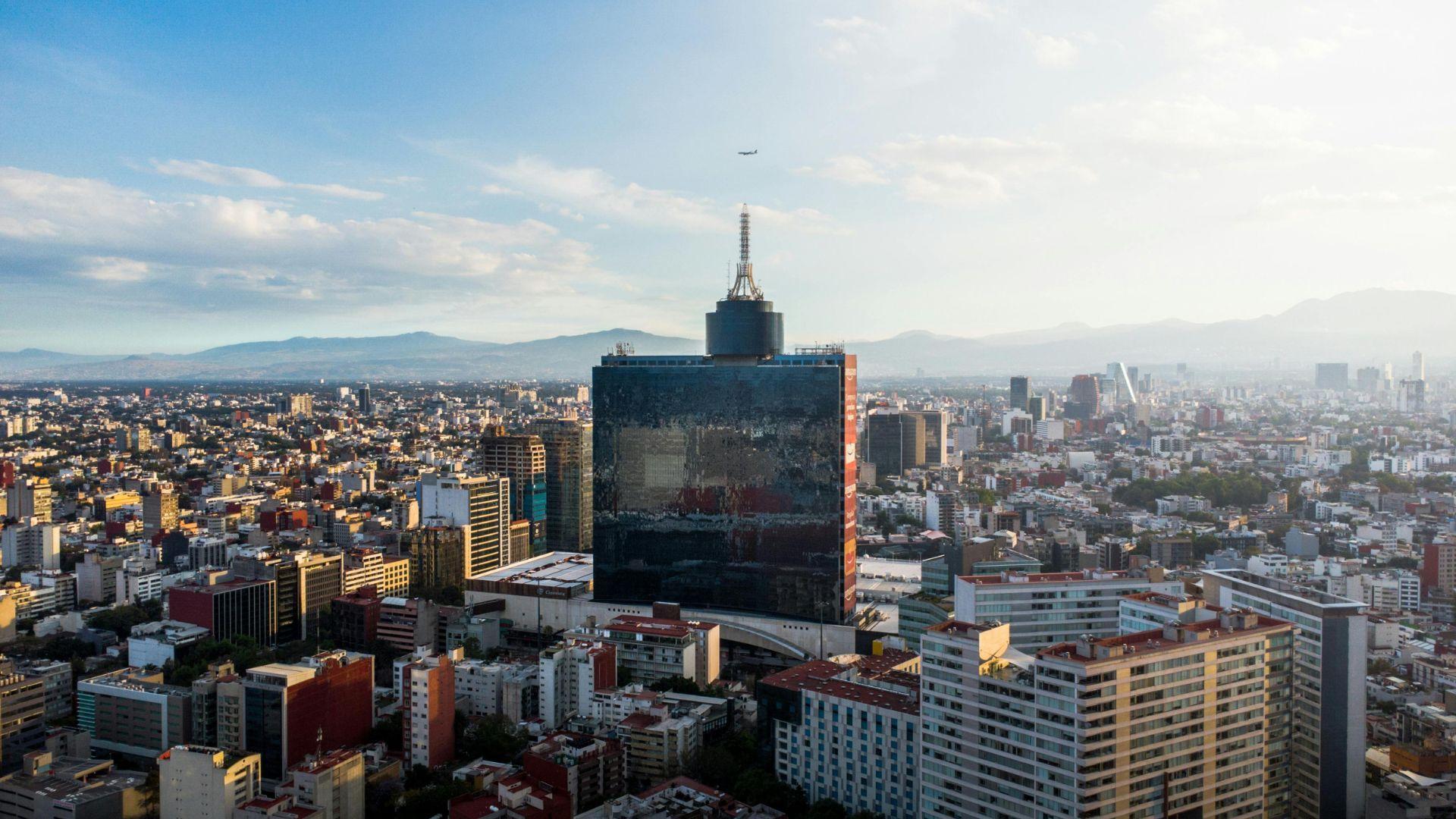
Wherever you stay, factor in that Mexico City is roughly 1,500 square kilometers. “Close to the stadium” is a relative phrase in a metropolis of more than 22 million people across the metro area.
Food, Fan Zones, and the Rest of the Trip
Matchdays are the spine, but Mexico City rewards the days in between. Expect official FIFA Fan Festival programming in central public spaces, with confirmed locations to be announced closer to the tournament.
Independent fan zones will cluster in Roma, Condesa, and around the Ángel de la Independencia on Reforma — historically the gathering point after every Mexico victory.
For food, treat the trip as a checklist: tacos al pastor in a streetside trompo joint, a quesadilla de huitlacoche at Mercado de Coyoacán, pozole on a slow afternoon, and at least one mezcal sit-down in Roma.
Tipping is customary at 10–15%. Tap water is not drinkable; bottled water is universal.
If you are combining matches across host countries, the Ticombo World Cup 2026 hub and the full match schedule are the cleanest way to map fixtures to flights.
Tickets, Timing, and Fan Tips
A few practical realities are worth flagging before you commit to flights and hotels.
Frequently Asked Questions
When Does the World Cup 2026 Start in Mexico City?
The tournament opens at Estadio Azteca on June 11, 2026. Mexico City is scheduled to host five matches in total across the group and Round of 32 stages.
What Is the Stadium Called for the World Cup?
Officially Estadio Azteca, but FIFA branding for the 2026 tournament uses the name Estadio Ciudad de México for sponsorship reasons. The venue is the same one that hosted the 1970 and 1986 World Cup finals.
How Do I Get to Estadio Azteca from Central Mexico City?
The simplest route is Metro Line 2 south to Tasqueña, then the Tren Ligero light rail to the Estadio Azteca stop. Allow at least 90 minutes from central neighborhoods on matchday, and longer if you are coming from Polanco or the airport.
Is Mexico City Safe for Visiting Football Fans?
Central tourist neighborhoods — Roma, Condesa, Polanco, Coyoacán, Centro Histórico — are well-policed and broadly safe day and night, with standard big-city precautions. Use registered taxis or rideshare apps after dark and keep valuables out of sight on public transport.
How Much Should I Budget per Day During the Tournament?
Outside of match tickets, a comfortable daily budget for food, transport, and one paid attraction sits in the $80–$150 USD range during the World Cup, with hotel rates the main variable. Premium neighborhoods and tournament-week pricing will push lodging significantly higher than off-peak rates.
Conclusion
Mexico City is not a host city in the way Atlanta or Toronto are host cities. It is the venue where the World Cup begins, in a stadium that already wrote two of the tournament's defining chapters.
Plan around the altitude, the distances, and the fact that demand for Azteca seats will outpace every other Mexican fixture — then leave room for the rest of the city, because you will not see this version of it again.
Tickets, schedule, and host-city pages on the Ticombo World Cup 2026 marketplace are the cleanest place to start mapping the trip.