
Mexico City
Mexico City
Mexico
Mexico City is a legendary sports destination with a rich history of hosting world-class events. From the 1968 Summer Olympics to FIFA World Cup matches, the city combines iconic stadiums, passionate fans, and vibrant culture. Its world-class infrastructure and electric atmosphere make every sporting event unforgettable. Mexico City remains a premier destination for athletes and spectators, offering thrilling sporting experiences and showcasing the city’s vibrant culture and passion for world-class events.
Estadio Azteca
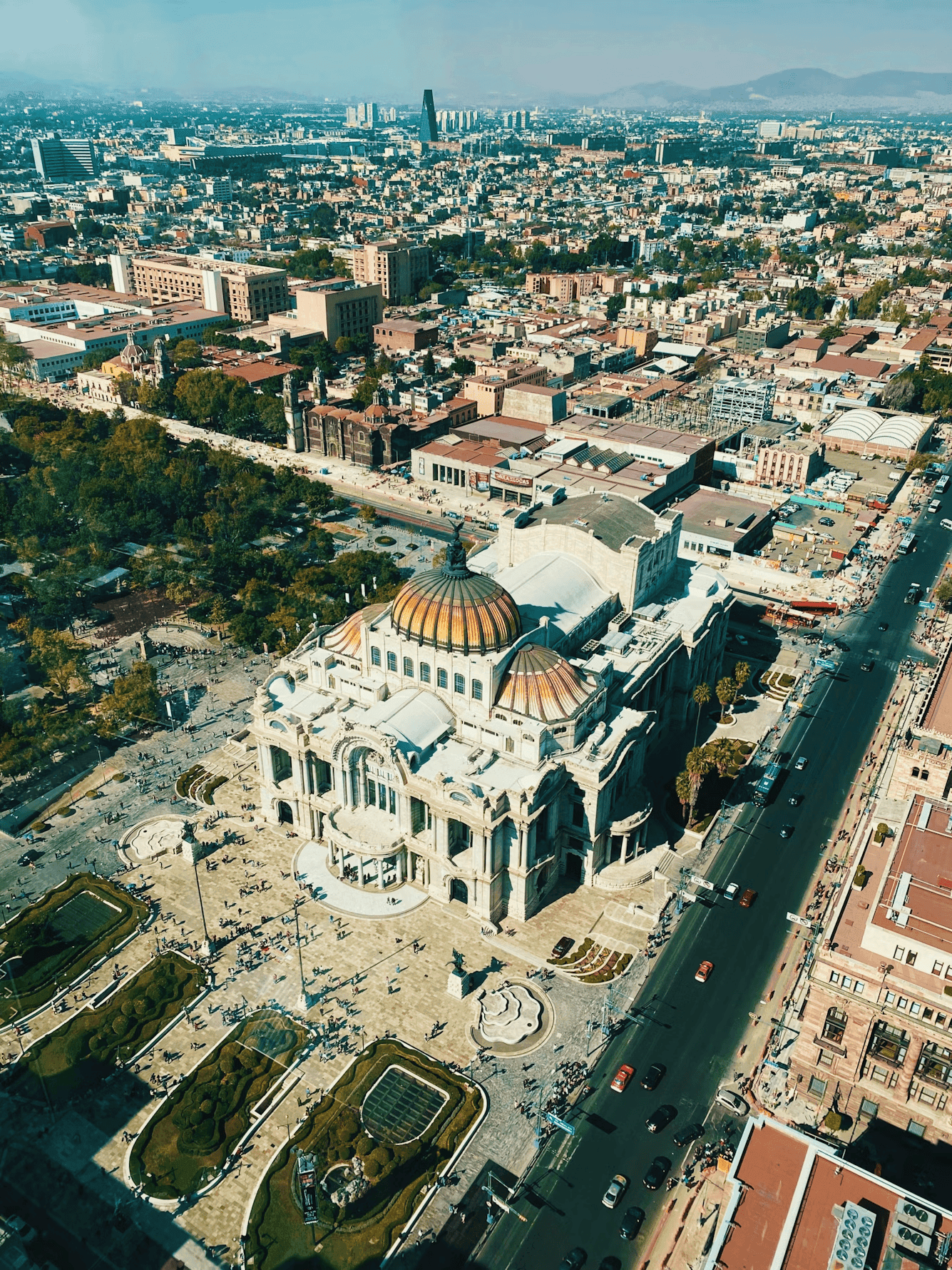
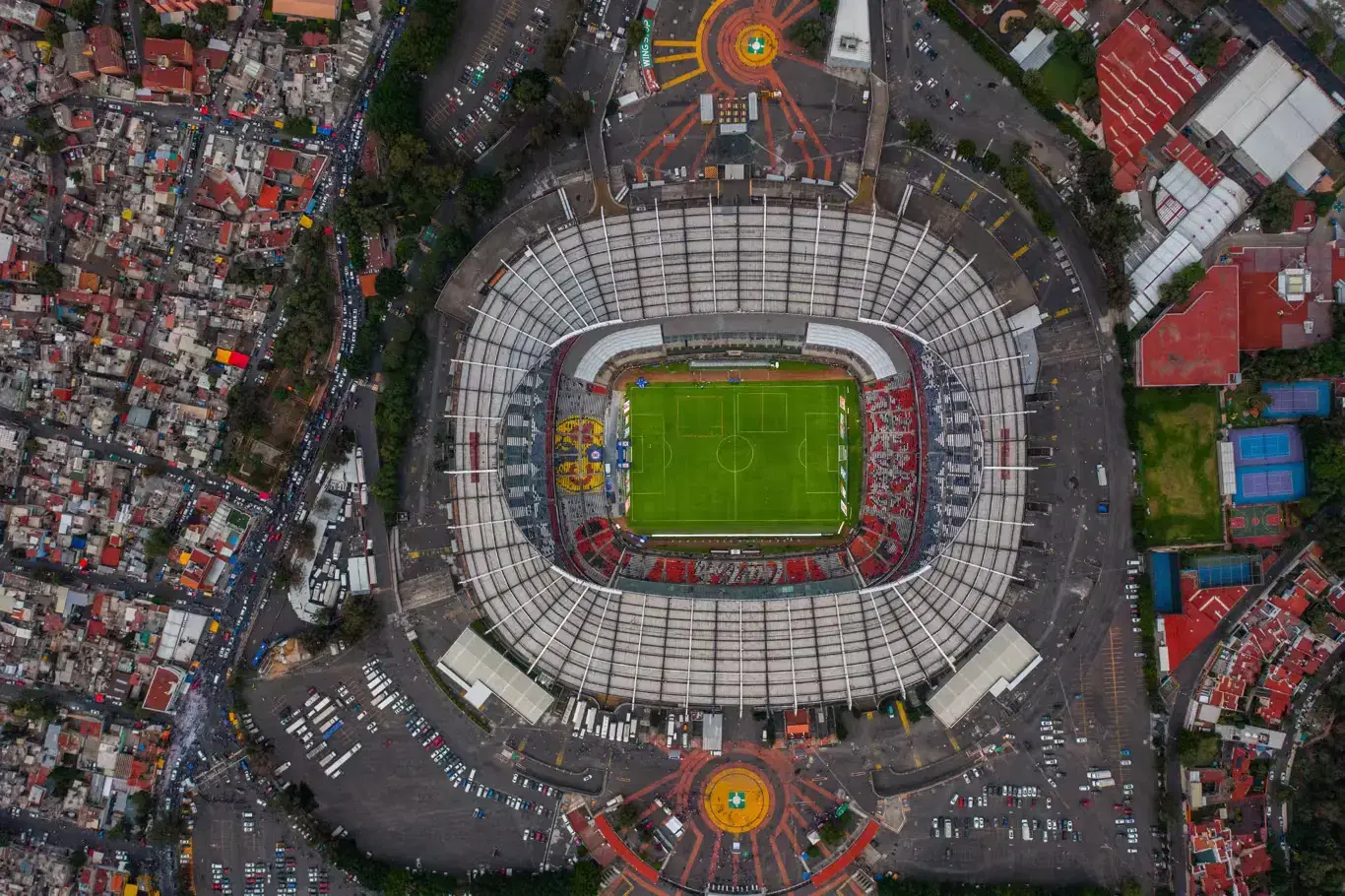
Step into history at Estadio Azteca — Mexico City's legendary arena and an iconic venue for FIFA World Cup 2026! The first stadium to host two World Cup finals (1970 and 1986), it's where legends like Pelé and Maradona made history. With its grand atmosphere, immense capacity, and passionate fans, Estadio Azteca stands as a symbol of football greatness, ready to create new unforgettable moments on the world's biggest stage.
Location
Cto Estadio Azteca, Media Luna, El Caracol, Coyoacán, 04730 Ciudad de México, CDMX, Mexico
Capacity
87500
Home Teams
Club América (Liga MX), Cruz Azul (Liga MX), Mexico national football team, Atlante
Established
1966
Number of Suites
856
Architect
Pedro Ramírez Vázquez / Rafael Mijares Alcérreca
Hospitality Options Estadio Azteca
Estadio Azteca — listed for FIFA World Cup 2026 as Mexico City Stadium — offers one of the most iconic hospitality settings in world football. The venue is famous for its historic atmosphere, huge matchday energy, and long-established premium areas, including private boxes, exclusive seating sections, and upgraded VIP spaces. Its traditional executive boxes, known as palcos, are a major part of the stadium’s premium identity, offering private views of the pitch and a more personal way to experience major matches. For FIFA World Cup 2026, hospitality at Mexico City Stadium becomes even more important, as the venue will host five matches, including the tournament opener, three group-stage games, one Round of 32 match, and one Round of 16 match. Official FIFA hospitality options include premium seats, food and beverage service, lounge access, and curated matchday experiences for fans who want a more comfortable and exclusive World Cup visit.
Private Suites
Executive boxes and palcos
Estadio Azteca is known for its extensive network of executive boxes, or palcos, which provide a more private matchday setting with dedicated seating and premium views of the pitch. These spaces are ideal for guests who want a more exclusive experience while still feeling the intensity of one of football’s most famous stadiums.
View Full Stadium Page
Club Lounges
Premium seating and upgraded VIP areas
The stadium’s premium areas include club-style seating, private boxes, and VIP spaces designed for greater comfort, better sightlines, and a smoother matchday experience. Renovation work ahead of FIFA World Cup 2026 has also focused on improving hospitality and VIP zones to meet tournament standards.
View Full Stadium Page
VIP Packages
FIFA Official Hospitality
For FIFA World Cup 2026, official hospitality packages at Mexico City Stadium are available through FIFA’s official hospitality provider, On Location. Package types listed for Mexico City include Pitchside Lounge, VIP, Trophy Lounge, Champions Club, and FIFA Pavilion, combining premium match access with food and beverage, lounge-style areas, and elevated World Cup service.
View Full Stadium Page
Accommodations In Mexico City
Mexico City offers a wide range of accommodation options, from elegant luxury hotels and stylish boutique stays to practical mid-range properties and budget-friendly choices. Popular areas include Polanco, Reforma, Roma Norte, Condesa, Centro Histórico, and Santa Fe, each offering a different atmosphere and easy access to restaurants, museums, shopping, nightlife, and public transport. Polanco and Reforma are ideal for visitors looking for upscale hotels and premium service, while Roma and Condesa are known for boutique stays, cafés, galleries, and a more relaxed local feel. Centro Histórico is a strong choice for travellers who want to stay close to cultural landmarks, while budget-conscious visitors can find simpler options across central neighbourhoods. For World Cup visitors, the stadium area around Estadio Azteca in Coyoacán/Tlalpan is farther south of the central hotel zones, so many travellers may prefer staying in Reforma, Polanco, Roma, or Condesa and using transport on matchdays. As one of Latin America’s busiest cities, Mexico City can see high hotel demand during major events and holiday periods, so booking early is recommended for better prices and availability.
Transportation In Mexico City
Mexico City has a large transport network, with Metro, Metrobús, light rail, buses, taxis, ride-hailing services, car rentals, and airport transfers connecting the main hotel districts, cultural areas, and event locations. For many visitors, public transport or ride-hailing is more practical than driving, as traffic can be heavy and parking near major venues may be limited. The city’s Metro system is extensive, while the Tren Ligero is useful for reaching the southern part of the city, including the area near Estadio Azteca. Visitors staying in Polanco, Reforma, Roma, Condesa, or Centro Histórico should plan extra travel time on matchdays, especially when travelling south toward the stadium.
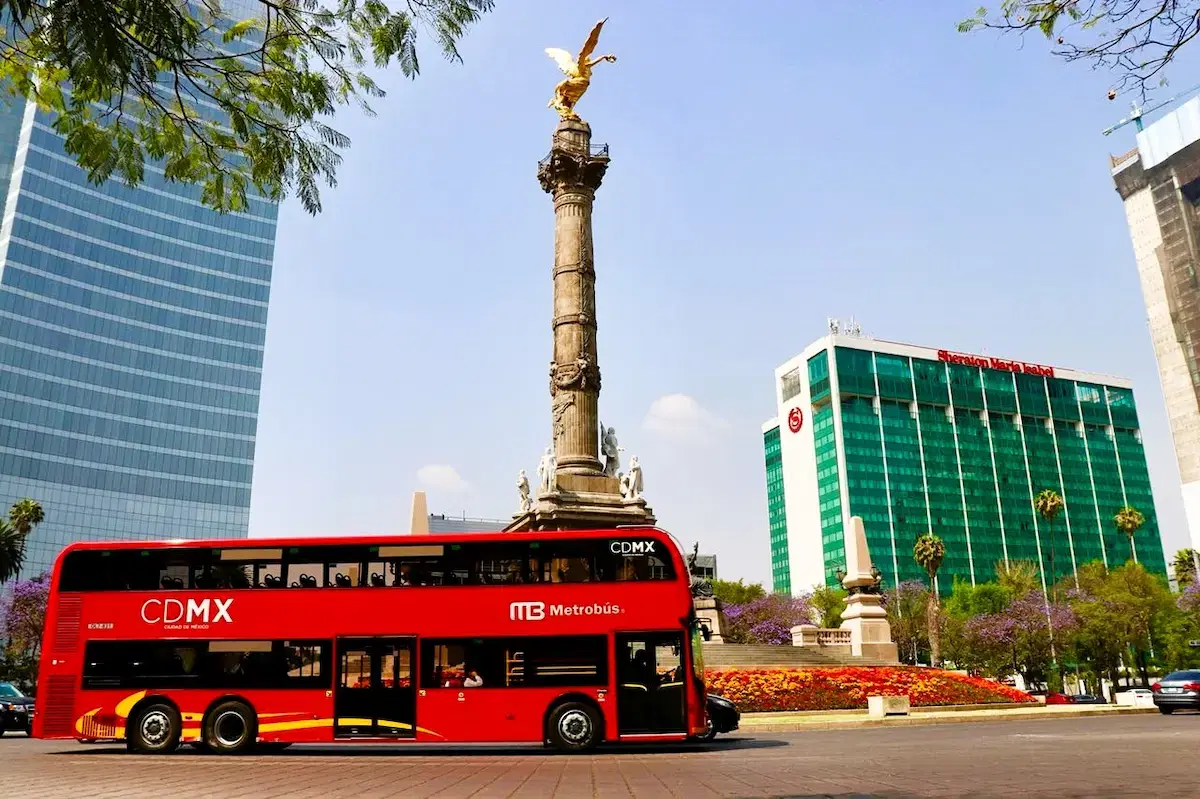
Train & Metro Access
Mexico City’s Metro connects many central districts, while the Tren Ligero serves the southern area near Estadio Azteca. The closest stop is Estadio Azteca Station on the light rail line, making public transport one of the most practical ways to reach the stadium.
Learn more
Buses & Shuttle Services
Mexico City has an extensive bus and Metrobús network connecting major districts, transport hubs, and local neighbourhoods. Buses can be useful for city travel, but routes may be slower during peak traffic. Event shuttles or private transfers may also be available during major football matches.
Learn more
Driving, Car Rental & Parking
Driving in Mexico City can be difficult because of heavy traffic, complex road layouts, and limited parking near busy venues. Visitors renting a car should plan routes carefully, allow extra time, and check parking options before travelling to Estadio Azteca, especially on matchdays.
Learn more
Airports & Airport Transfers
Mexico City is mainly served by Benito Juárez International Airport, with Felipe Ángeles International Airport also handling flights. Visitors can reach central areas by taxi, ride-hailing service, airport bus, or private transfer. Travel time depends heavily on traffic and the chosen hotel district.
Learn more
Food And Drinks In Mexico City
Mexico City is one of the world’s great food capitals, offering everything from street food and traditional markets to modern restaurants, rooftop bars, cafés, and fine dining. The city’s food scene is deeply connected to Mexican culture, with must-try dishes such as tacos al pastor, tamales, tlacoyos, quesadillas, pozole, churros, and fresh salsas. Popular areas for eating and drinking include Roma Norte, Condesa, Polanco, Centro Histórico, Coyoacán, Juárez, and San Ángel. Visitors can explore casual taquerías, lively cantinas, food markets, mezcalerías, cocktail bars, and restaurants serving both regional Mexican cuisine and international dishes. Mexico City is also known for its coffee culture, bakeries, rooftop terraces, and late-night food spots. During weekends, holidays, and major events, popular restaurants can get very busy, so booking ahead is recommended.
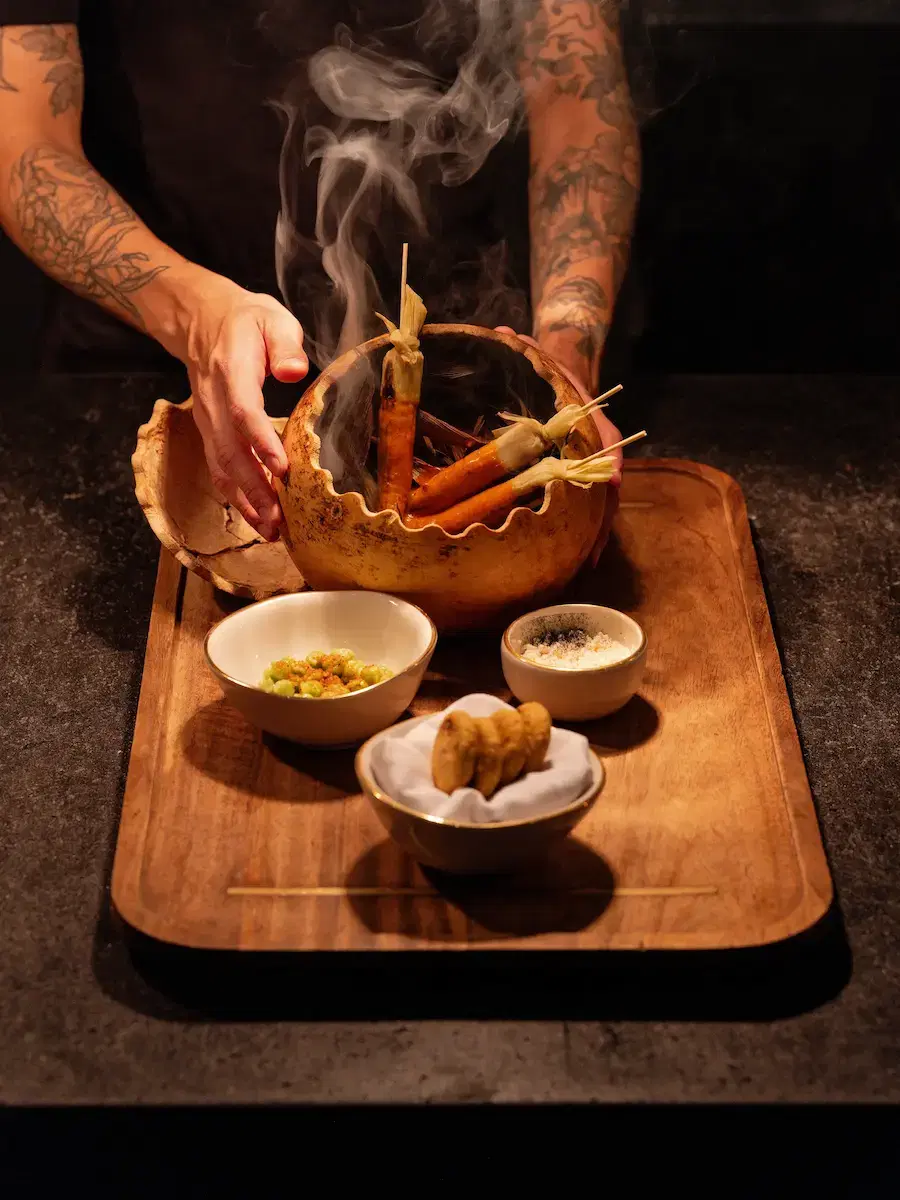
Must-Visit Spots
Pujol
A refined Polanco restaurant known for modern Mexican cuisine, seasonal tasting menus, and elegant presentation. Perfect for a special fine-dining experience in Mexico City.
Learn more
Contramar
A famous Roma Norte seafood restaurant known for fresh fish, tostadas, and a lively lunch atmosphere. Great for visitors who want one of Mexico City’s most iconic dining spots.
Learn more
El Cardenal
A classic restaurant serving traditional Mexican dishes, breakfasts, hot chocolate, and freshly baked bread. Ideal for a warm, authentic taste of Mexico City.
Learn more
Café de Tacuba
A historic Centro restaurant known for traditional Mexican food, old-world interiors, and a strong local identity. A good stop for visitors exploring the city centre.
Learn more
Rosetta
A stylish Roma Norte restaurant by Elena Reygadas, focused on seasonal ingredients, Mexican flavours, and elegant cooking. Best for a relaxed but refined dinner.
Learn more
Licorería Limantour
A well-known Roma Norte cocktail bar with creative drinks and a lively evening atmosphere. Perfect for visitors looking for one of Mexico City’s standout bar experiences.
Learn more
Attractions In Mexico City
Mexico City turns every visit into a cultural experience, with history, food, art, and street life everywhere you go. Between matches, visitors can explore ancient landmarks, colourful neighbourhoods, world-class museums, lively markets, rooftop bars, and traditional cantinas, making the city one of the most exciting stops of the tournament.
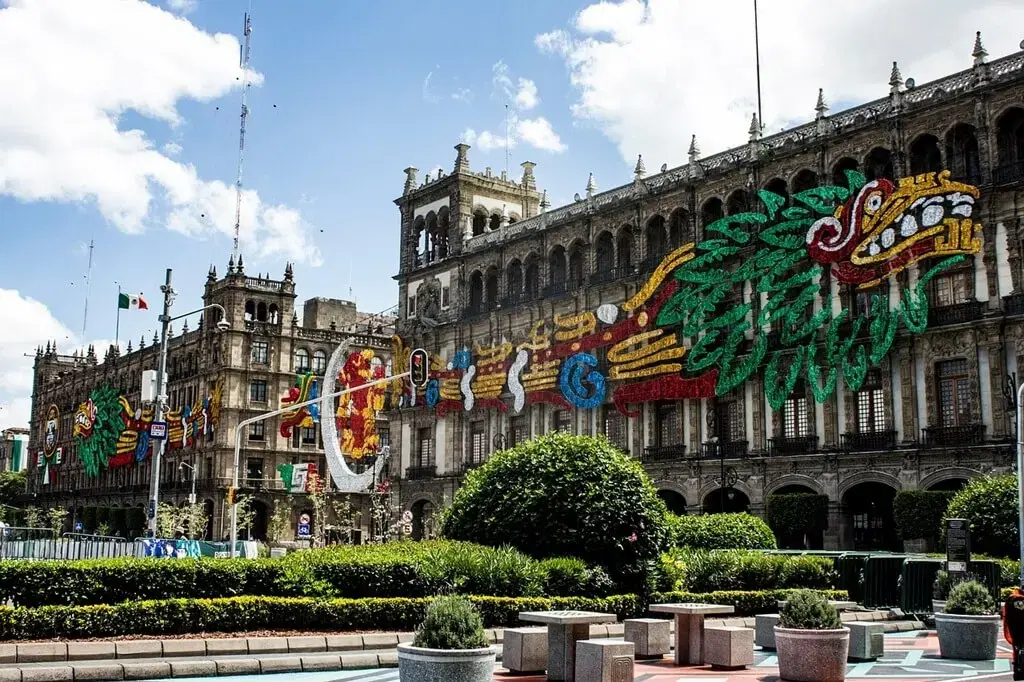
Zócalo / Historic Centre
The Zócalo is the heart of Mexico City’s Historic Centre, surrounded by major landmarks, colonial architecture, museums, and cultural sites. It is a great starting point for exploring the city’s history, atmosphere, and central streets.
Learn more
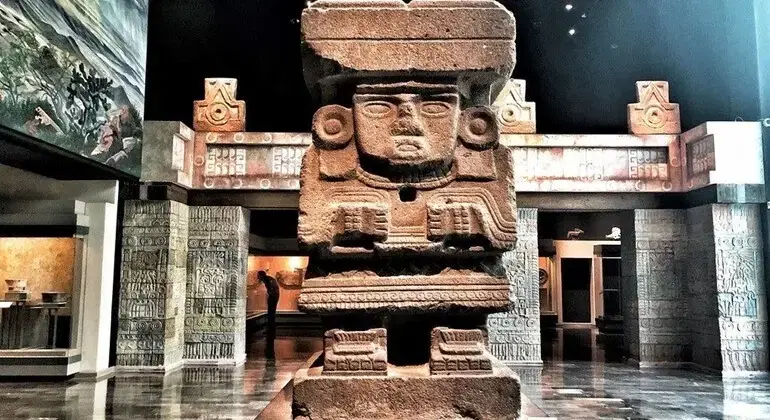
National Museum of Anthropology
The National Museum of Anthropology is one of Mexico’s most important museums, showcasing pre-Hispanic history, archaeology, and cultural heritage. It is a must-visit for understanding Mexico’s ancient civilizations and national identity.
Learn more
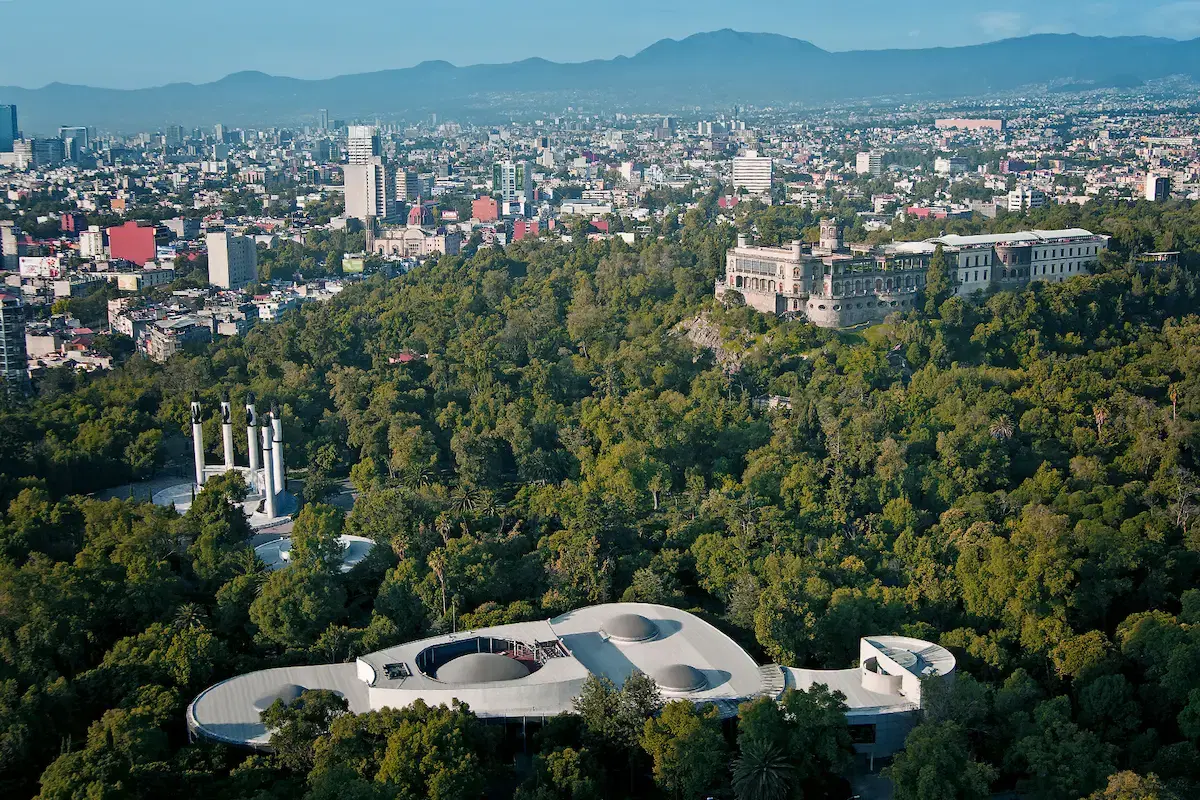
Chapultepec Park
Chapultepec Park is one of the largest urban parks in the world, offering museums, gardens, walking paths, lakes, and cultural attractions. Visitors can explore Chapultepec Castle, green spaces, and several major museums in one area.
Learn more
More Things To Do
Frida Kahlo Museum
A colourful museum in Coyoacán dedicated to Frida Kahlo’s life, art, home, and creative legacy.
Learn more
Palacio de Bellas Artes
A stunning cultural landmark known for its architecture, murals, exhibitions, theatre, music, and dance performances.
Learn more
Templo Mayor Museum
An archaeological museum and historic site showing the remains of the ancient Mexica temple complex.
Learn more
Xochimilco
A famous canal area where visitors can ride colourful trajineras and enjoy one of Mexico City’s most traditional experiences.
Learn more
Teotihuacan
An ancient archaeological site outside the city, famous for the Pyramid of the Sun, Pyramid of the Moon, and Avenue of the Dead.
Learn more
Roma Norte and Condesa
Two stylish neighbourhoods known for cafés, restaurants, parks, galleries, nightlife, and relaxed local atmosphere.
Learn more
History Of Mexico City
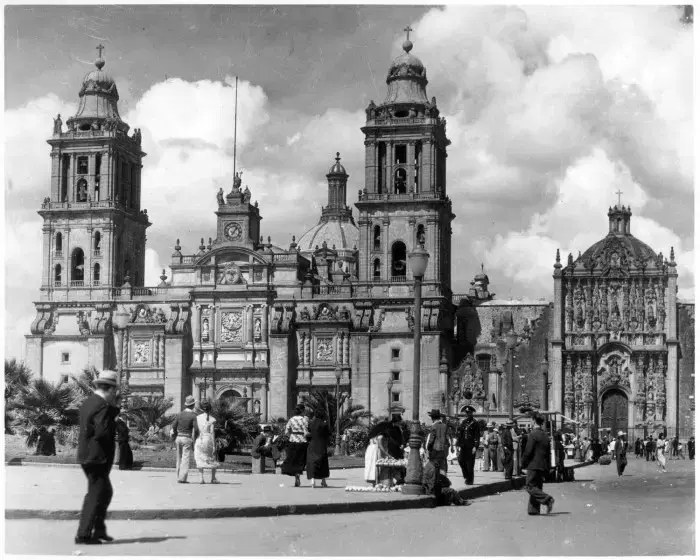
Mexico City has a history stretching back to the Aztec capital of Tenochtitlan, later becoming the centre of Spanish colonial rule and modern Mexico’s political, cultural, and economic heart. Its streets reflect centuries of Indigenous heritage, colonial architecture, independence, revolution, art, and urban growth.
Sport is deeply woven into the city’s identity, with football holding a special place. Mexico City has hosted major Olympic and World Cup moments, including matches at Estadio Azteca in 1970 and 1986. Today, its passionate football culture continues through clubs, national team matches, and its role as a FIFA World Cup 2026 host city.
1325
Tenochtitlan was founded by the Mexica people, laying the foundation for modern Mexico City.
1521
Spanish forces capture Tenochtitlan, beginning the colonial era of Mexico City.
1821
Mexico gains independence, and Mexico City becomes the capital of the new nation.
1910
The Mexican Revolution begins, shaping the city’s political and social identity.
1968
Mexico City hosts the Summer Olympics, becoming the first Latin American city to do so.
1970
Estadio Azteca hosts the FIFA World Cup Final between Brazil and Italy.
1986
Estadio Azteca hosts another FIFA World Cup Final, where Argentina defeat West Germany.
2002
The city’s Historic Centre and Xochimilco are recognised as major cultural heritage areas.
2026
Mexico City becomes a FIFA World Cup host city again, with Estadio Azteca selected for matches.
World Cup 2026 Matches in Mexico City
Mexico City will host five FIFA World Cup 2026 matches at Estadio Azteca, known during the tournament as Mexico City Stadium. The venue will stage the opening match on June 11, when Mexico face South Africa, giving the city one of the biggest moments of the tournament. Mexico City will also host Uzbekistan vs Colombia on June 17 and Czechia vs Mexico on June 24. After the group stage, the stadium will stage one Round of 32 match on June 30 and one Round of 16 match on July 5, continuing Estadio Azteca’s historic World Cup legacy.

Group Stage
World Cup 2026 Group Stage Standings→| Match | Date | Time (Local) | Matchup | Group/Stage | Stadium | City | Tickets |
|---|---|---|---|---|---|---|---|
| 1 | Jun 11, 2026 | 17:00 | MexicoVSSouth Africa | Group A | Estadio Azteca | Mexico City | |
| 24 | Jun 17, 2026 | 20:00 | UzbekistanVSColombia | Group K | Estadio Azteca | Mexico City | |
| 53 | Jun 24, 2026 | 17:00 | Czech RepublicVSMexico | Group A | Estadio Azteca | Mexico City |
Round of 32
World Cup 2026 Round of 32 Standings→| Match | Date | Time (Local) | Matchup | Group/Stage | Stadium | City | Tickets |
|---|---|---|---|---|---|---|---|
| 79 | Jul 01, 2026 | 01:00 | MexicoVSEcuador | Round of 32 | Estadio Azteca | Mexico City |
Round of 16
World Cup 2026 Round of 16 Standings→| Match | Date | Time (Local) | Matchup | Group/Stage | Stadium | City | Tickets |
|---|---|---|---|---|---|---|---|
| 92 | Jul 06, 2026 | 00:00 | MexicoVSEngland | Round of 16 | Estadio Azteca | Mexico City |
Hospitality World cup 2026. VIP categories details.
| Private Suites | Pitchside Lounge | VIP | Lounge 1930 | Trophy Lounge | Champions Club | FIFA Pavilion | |
|---|---|---|---|---|---|---|---|
| Venue Access | Dedicated Entry | Dedicated Entry | Dedicated Entry | Dedicated Entry | Dedicated Entry | Dedicated Access | Dedicated Access |
| Seating Level | Private Suite, Directly Connected | Premier Sideline Seating | Elevated Sideline Seating | Elevated Sideline Seating | Elevated Sideline Seating | Preferred Seating | Preferred Seating |
| Hospitality Service | Continuous Service | Pre-match / Halftime* / Post-match | Pre-match / Halftime / Post-match | Pre-match / Halftime / Post-match | Pre-match / Halftime / Post-match | Pre-match / Post-match | Pre-match / Post-match |
| Guest Arrival | Champagne on arrival, crafted cocktails and mocktails | Champagne on arrival, crafted cocktails and mocktails | City-centric welcome experience. Welcome refreshments, from soft drinks to Champagne | Welcome refreshments, from soft drinks to Champagne | Welcome refreshments, from soft drinks to Champagne | Welcome refreshments, from soft drinks to Champagne | Match day festive welcome |
| Guest Relations | Dedicated | Dedicated | Dedicated | Dedicated | Shared | Shared | Shared |
| Beverage Program | Exclusive Selection | Exclusive Selection | Celebrated Collection | Celebrated Collection | Signature Collection | Curated Offering | Curated Offering |
| Culinary Offering | Curated Selection | Culinary Experience | Flavors of Tradition | Flavors of Tradition | Signature Menu | Global Fusion | Gourmet Street Eats |
| Entertainment & Experience | Exclusive, climate-controlled match day experience with in-seat service | Special Guest appearances. Photo opportunities. Live entertainment | Post-match performance. Photo opportunities. Live entertainment | Immersive Experiences. Photo Opportunities. Live Entertainment | Immersive Experiences. Photo Opportunities. Live Entertainment | Immersive Experiences. Photo Opportunities. Live Entertainment | Immersive experiences. Themed zones. Photo opportunities. Live entertainment |
| Parking | On-site parking | On-site parking | On-site parking | On-site parking | On-site parking | Parking Not Available | Parking Not Available |
| Gifting | Premium Gift | Premium Gift | Premium Gift | Premium Gift | Commemorative Gift | Commemorative Gift | Commemorative Gift |
Frequently Asked Questions
How many World Cup matches will be played in Mexico City?
Mexico City Stadium will host 5 matches in total: 3 group-stage matches, 1 Round of 32 match, and 1 Round of 16 match.
Which groups will play matches in Mexico City?
Mexico City hosts Group K and Group A fixtures, including the tournament’s opening match Mexico vs South Africa.
Are there any knockout matches in Mexico City?
Yes. Mexico City Stadium hosts one Round of 32 match and one Round of 16 match.
Will Mexico City Stadium have grass or turf for the World Cup?
The pitch is being set up with a state-of-the-art hybrid surface that combines natural grass with advanced systems for drainage and ventilation.
How early should I arrive at the stadium?
Arrive at least 90–120 minutes before kick-off to get through security and entry lines. If you have hospitality, access typically begins 3 hours before kick-off, and for the Mexico opening match it begins 4 hours before kick-off.
Can I bring bags or flags into the stadium?
Expect a clear-bag policy for World Cup stadium entry, with security checks at the gates. For flags and banners, bring small handheld items only and avoid anything that could block views or be restricted on matchday.
Can I buy one ticket for all the matches in Mexico City?
Typically, tickets are sold per match, so there isn’t one single ticket that covers every Toronto game. If any multi-match options exist, they depend on what ticket products are available at the time.
Can I buy VIP or hospitality packages?
Yes. Mexico City Stadium offers hospitality options such as VIP, Champions Club, Trophy Lounge, and more, depending on availability.
Does Mexico City Stadium offer accessible seating for fans with disabilities?
Yes. Accessibility tickets and services are part of World Cup ticketing, and accessible hospitality requests are also available through FIFA channels.
How much do tickets for Mexico City Stadium cost?
Prices vary by match, seat location, and demand. On Ticombo, you can see the current price range directly on each Mexico City match listing.
Where is Mexico City Stadium located in relation to the city centre, and how do I get there?
Mexico City Stadium is in Coyoacán at Calzada de Tlalpan 3465, Sta. Úrsula Coapa. Public transport is widely used on matchdays, and the city has multiple transit options to reach key areas.
What are some recommended places for food and drinks in Mexico City?
For an easy pre-match base, look at Roma and Condesa for cafés, bars, and restaurants, or Centro Histórico for classic sights and big-city energy. Mexico City is also famous for street-food neighborhoods and markets, so you can keep it simple with tacos and local spots.
What are the best hotels in Mexico City?
Most visitors stay in Roma, Condesa, Polanco, or Centro Histórico for the best mix of hotels, walkability, and transport connections. Book early for matchweeks because demand spikes.
Is there public transportation from Mexico City to the stadium?
Yes. Mexico City has an extensive network including Metro, Metrobús, Trolebús, Cablebús, and Tren Ligero, and public transport is widely recommended for getting to the stadium area.
What is the most efficient transportation type in Mexico City?
On matchdays, Metro and other public transport plus a short walk is usually the fastest and least stressful option, because road traffic can be heavy around big events.

The no 1 marketplace in the world
Ticombo® is now the most followed of all reselling platforms in Europe. Thank you!
Seal of Excellence by EU Commission
Ticombo GmbH (parent company) is recognized under Horizon 2020, the EU's research and innovation funding program for its proposal No. 782393.

As seen on the news